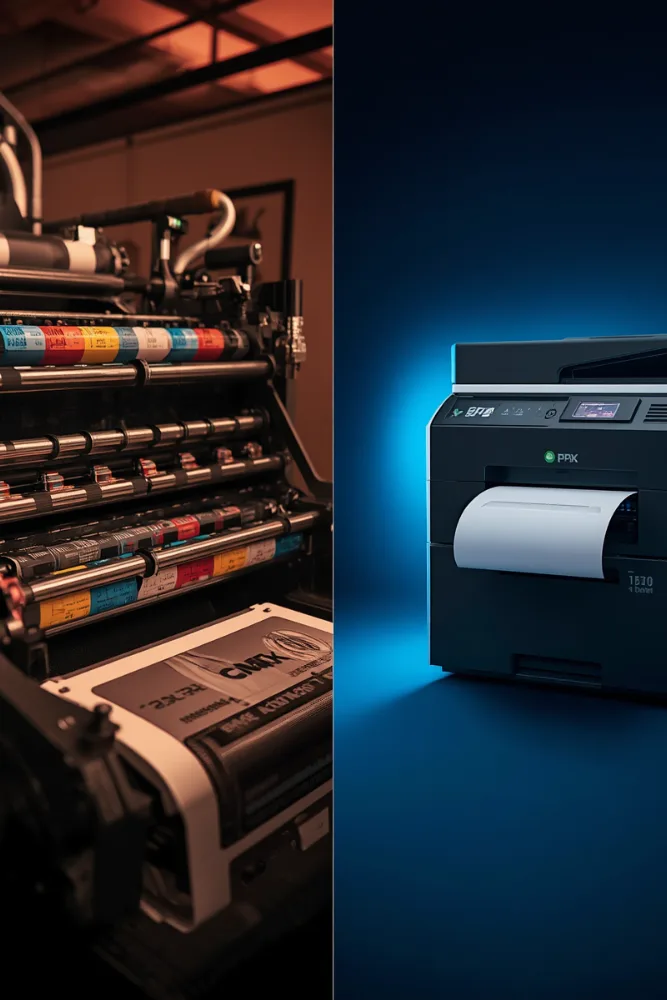
Offset Printing vs Digital Printing – Which is Better for Your Business
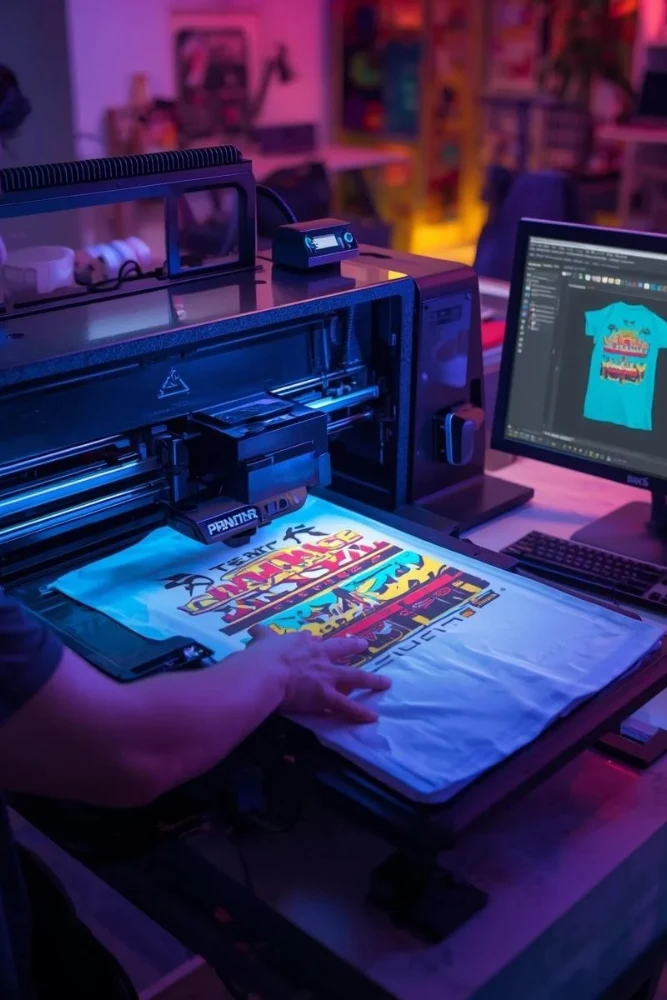
When it comes to choosing the right printing method for your business, the debate between offset printing vs digital printing is one of the most common. Whether you need brochures, flyers, business cards, or large-scale promotional materials, selecting the right option can significantly impact your overall cost, print quality, and brand image. Many businesses make the mistake of choosing a printing method based only on price, without understanding how it affects long-term results. What is Digital Printing? Digital printing is a modern method where designs are printed directly from a digital file onto paper or other materials. Unlike traditional techniques, it does not require plates, which makes the process faster and more flexible. This method is especially useful when you need quick printing or smaller quantities. Businesses often use digital printing for short-run jobs like visiting cards, flyers, or customized marketing materials. Because there is no setup involved, it allows you to print instantly and make changes easily without extra cost. What is Offset Printing? Offset printing is a traditional and highly reliable printing method that uses metal plates to transfer ink onto paper. This technique has been used for decades and is still the preferred choice for large-scale printing due to its superior quality and consistency. When comparing offset printing vs digital printing, offset stands out for producing sharp, vibrant, and color-accurate prints, especially when dealing with high volumes. It is commonly used for newspapers, magazines, packaging, and bulk brochures where maintaining uniform quality is essential. Offset Printing vs Digital Printing – Key Differences Understanding the difference between offset printing vs digital printing becomes easier when you compare their core features. Digital printing offers speed and flexibility, making it ideal for urgent and small-scale work. Offset printing, on the other hand, requires setup time but becomes much more cost-effective and efficient when printing in bulk. While digital printing allows easy customization and quick edits, offset printing delivers better color consistency and a more premium finish. This is why businesses often choose digital for testing and offset for scaling their campaigns. When Should You Choose Digital Printing? Digital printing is the right choice when your business needs speed, flexibility, and lower initial investment. It works best for startups, local businesses, and short-term campaigns where quick execution matters more than bulk production. It is also highly effective when personalization is required, such as printing different names or customized offers. In situations where you want to test multiple designs before finalizing one, digital printing becomes the most practical solution. When Should You Choose Offset Printing? Offset printing is the ideal choice when your focus is on high volume, premium quality, and long-term cost efficiency. Businesses that require large quantities of brochures, catalogs, or promotional materials benefit the most from this method. When brand consistency and color accuracy are important, offset printing delivers much better results compared to digital printing. This makes it a preferred option for corporate companies, real estate projects, and large advertising campaigns. Pros and Cons of Offset Printing vs Digital Printing Both methods have their strengths and limitations, and understanding them helps in making the right decision. Digital printing is fast, flexible, and cost-effective for small quantities, but it becomes expensive when used for large volumes. Offset printing, on the other hand, provides exceptional quality and lower cost in bulk, but requires more time and initial investment. Choosing between offset printing vs digital printing depends on balancing these factors based on your business needs. Best Printing Method Based on Business Type Different businesses require different printing strategies. Small businesses and startups usually benefit more from digital printing because of its low upfront cost and quick turnaround. Restaurants and cafes often use a combination, where digital printing is used for menus and offers, while offset printing is used for bulk promotional materials. Real estate companies and corporate businesses typically prefer offset printing because they need large quantities of high-quality brochures and catalogs. Retail shops can also combine both methods depending on their marketing goals. Latest Printing Trends in 2026 The printing industry is evolving rapidly, and businesses are now adopting smarter approaches instead of relying on a single method. One of the biggest trends is hybrid printing, where companies use both digital and offset printing to maximize efficiency. Eco-friendly printing is also gaining popularity as businesses become more conscious about sustainability. At the same time, personalized printing is growing due to increased demand for targeted marketing. These trends are shaping how businesses approach offset printing vs digital printing in 2026. Printing Services in Lucknow – What Should You Choose? If you are searching for reliable printing services in Lucknow, choosing between offset printing vs digital printing should depend on your specific requirements. For urgent jobs and small quantities, digital printing is the better option. For large campaigns and cost efficiency, offset printing works best. At Adon Publicity, we guide businesses in selecting the right printing solution based on their budget, timeline, and marketing goals. Our expertise ensures that you get the best quality without overspending. Grow Your Business with the Right Printing Partner Choosing the right printing method becomes much easier when you have expert guidance. At Adon Publicity, we help businesses make the right decision by offering both digital and offset printing solutions tailored to their needs. Whether you are a startup or an established brand, our team ensures high-quality results, cost efficiency, and timely delivery. Get in touch with Adon Publicity today and take your business marketing to the next level. Conclusion There is no single winner in the debate of offset printing vs digital printing. The right choice depends on your business goals, budget, and printing requirements. If you need speed and flexibility, digital printing is the best option. If you are planning large-scale marketing and want cost efficiency with high quality, offset printing is the smarter choice. Many successful businesses use a combination of both to achieve the best results. To plan your next campaign or to learn more about Us, contact us today or
Offset Printing vs Digital Printing – Which is Better for Your Business Read More »